

“Welfare Rights Initiative believes in the inherent worth and dignity of all people, especially individuals and families who are negatively impacted by social welfare policies that restrict and limit access to education. WRI's community leadership, legal advocacy, and policy education programs are strategically developed and guided by a deep commitment to inclusion, social justice, and participatory policymaking. For over 3 decades, WRI student leaders have catalyzed their firsthand expertise to empower their own voices and visions for welfare and education policies that move families from crises to life-changing educational opportunities.” - Professor Dee ‘26
WRI Leadership
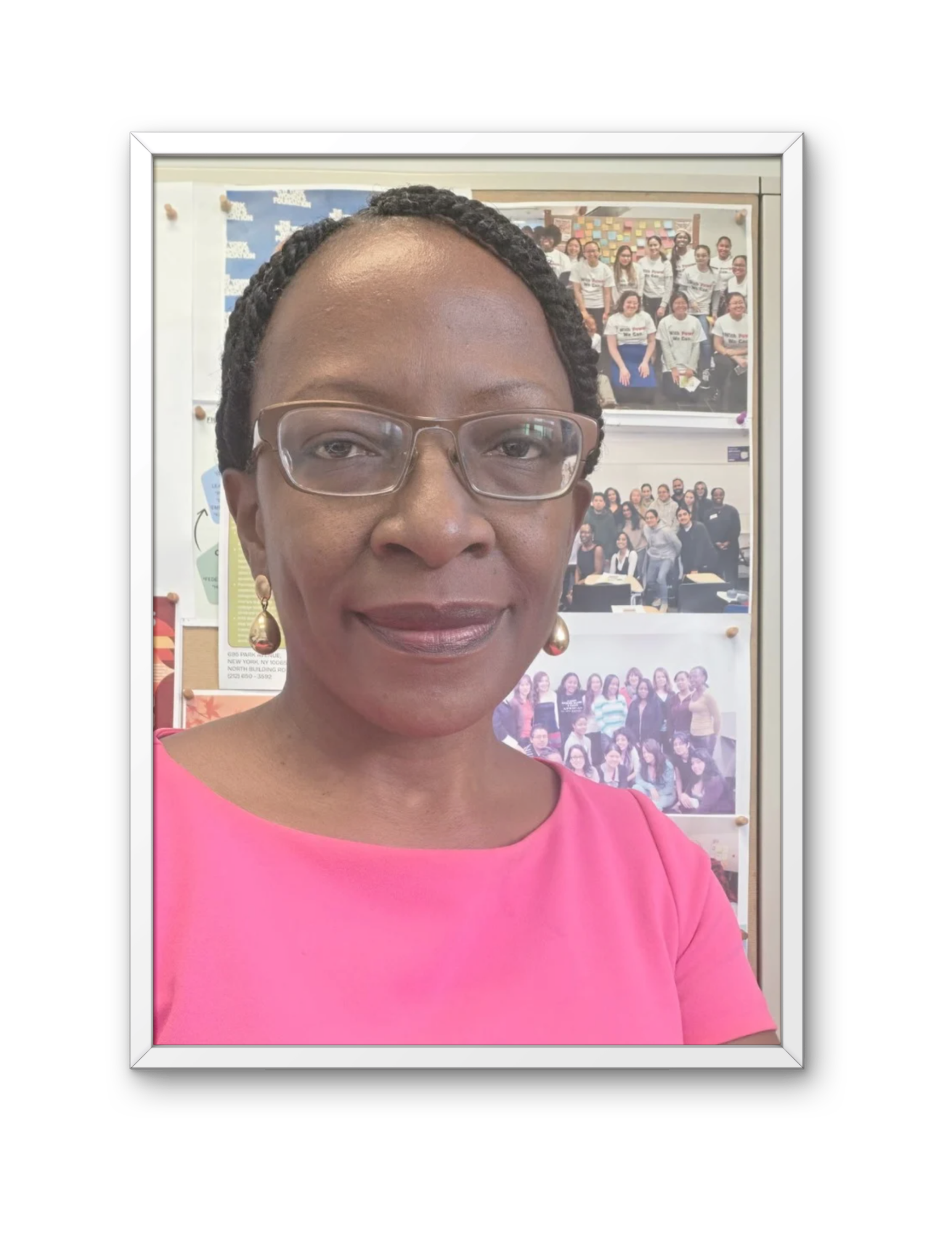
Dillonna C. Lewis-Gallardo
Co-Executive Director of Welfare Rights Initiative
Adjunct Assistant Professor, Women & Gender Studies, Hunter College
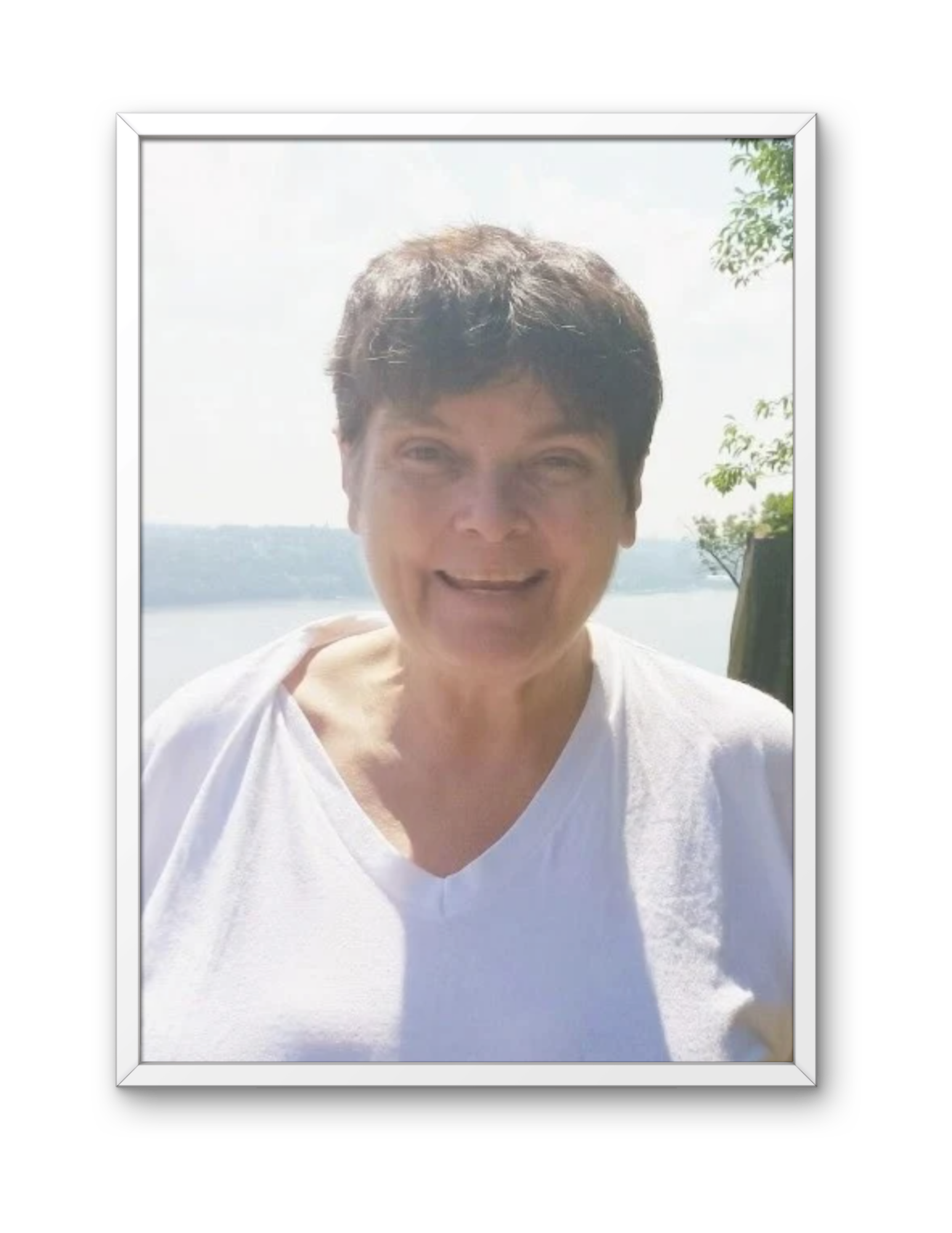
Maureen Lane
Co-Executive Director of Welfare Rights Initiative
-
Dillonna holds a Master's of Arts (M.A.) & a Master’s of Education (Ed.M.) in Counseling Psychology from Teachers College, Columbia University. She is the recipient of the Brawley Award, which funded a research project at the University of the West Indies in Barbados to document the impact of racism, sexism, and poverty on women in Caribbean society. For 30 years at Hunter College, Dillonna serves as Co-Executive Director of Welfare Rights Initiative (WRI). WRI is a student advocacy and leadership training organization that supports low-income and welfare eligible students to access higher education as one of the surest routes out of poverty. She supervises and trains staff, interns and undergraduate students to operate and evaluate WRI's programs. She shares responsibility for WRI’s overall governance, funding, programming development, and leadership training. In 1997, she spearheaded the creation of WRI’s joint collaborative partnership, the Economic Justice Project (EJP), with CUNY School of Law. The program trains second-year law students to represent undergraduate CUNY students at NYC’s Administrative Fair Hearings and provide self-empowerment resources for students to advocate for their right to pursue higher education. Dillonna has served on the Board of Directors at Project Fair and as a member of the New York Women's Foundation Grants Advisory/Allocations Committee. In 2015, she served as a steering committee member to launch New York City’s pioneering Young Women’s Initiative (YWI). YWI was conceived as a collaboration between the New York Women’s Foundation and New York City Council to prioritize funding & intersectional supports for programs that serve girls and young women of color. In the Women and Gender Studies Department, Dillonna teaches the fall Community Leadership seminar (WGSP 398) and the spring Community Leadership fieldwork (WGSP 490). The 2-semester Community Leadership curriculum is designed to promote interactive learning among students with firsthand experience of poverty, scholars, advocates, organizers, service providers, and activists in welfare and education policy discussions. The program engages students to critically explore social welfare policies and develops their capacity as leaders, organizers, and trainers of others who seek to influence the decision-making processes that impact their lives. In its 32nd year, the Community Leadership program has trained over 700 students to serve as leaders in welfare and education public policy discourse and as agents of socio-economic changes in their communities.
-
Maureen was a pilot year participant in the Community Leadership Seminar of Welfare Rights Initiative in 1995. Maureen was supported by public assistance when she entered Hunter College. As an Honor's student in the Thomas Hunter Honors Program at Hunter, Maureen graduated with a Bachelor's Degree in June 2000. She earned her Masters of Social Work degree from Hunter College School of Social Work in May 2009. She shares the responsibility for mission, funding, reporting and overall governance of WRI. As a Human Rights Fellow, Maureen was the Asylum Project intern for Lawyers Committee for Human Rights, 1995-1996. From 1996-2002, she chaired the Client Empowerment Committee for the Welfare Reform Network (WRN) of the Federation for Protestant Welfare Agencies. Maureen served proudly on the founding Board of QEJ (Queers for Economic Justice). She also serves on the Steering Committee of the Empire State Economic Security Campaign (ES2), and the founding Advisory Boards of Make the Road by Walking and Solutions for Economic Justice, Empowerment and Dignity (SEED). Maureen coordinated WRI's broad campaign to successfully pass New York State legislation, October 4, 2000, expanding access to education as a route out of poverty. In 2004, Maureen was selected as a fellow at the Drum Major Institute (DMI). Maureen has been instrumental in fostering sustainable relationships with policy makers, advocates, activists, academics, service providers, business and civic leaders to support WRIs mission.
Who are we?
The Welfare Rights Initiative (WRI) is a student advocacy and leadership-training program at Hunter College, City University of New York (CUNY). It was established in the 1990s to combat the negative stereotypes of welfare recipients that fueled destructive public policies in the name of “welfare reform.” Begun as an experiment in course-based student activism, WRI has grown over the last 30 years into an effective advocate for access to higher education as a pathway out of poverty. WRI uses a three-pronged approach: Community Leadership Training, Legal Advocacy and Organizing, and Policy Change.
The Community Leadership Program encourages students to recognize and value first-hand experience of poverty and welfare as an asset. It equips them with skills and knowledge that enable them to deploy that asset on their own behalf and that of other students coping with the challenges of pursuing higher education while receiving public assistance. The two semester, credit-bearing course sequence includes an introduction to social welfare policy, past and present; a skill building component encompassing active listening, meeting planning and facilitation, public speaking, coalition building, and fundraising; and a four-month internship. Student leaders with personal expertise testify at public forums and hearings and conduct classroom presentations and workshops throughout CUNY. The component courses are credited in Women and Gender Studies and cross-listed in Sociology. Many of the more than 600 alumni of this program have gone on to further education and to careers in public service and social justice.
The Legal Advocacy and Organizing Program aims to protect the rights of current and potential students. Monthly Know Your Rights (KYR) training and other outreach programs allow WRI’s student leaders and interns to inform both college and high school students about the laws governing access to higher education. The legal advocacy clinic conducted in partnership with students from the CUNY Law School’s Economic Justice Project has provided legal advisement and representation to ensure continuous matriculation for more than 6000 CUNY students faced with challenges arising from public assistance rules and administration.
The Policy Education & Advocacy Program convenes monthly meetings in which current WRI students and alumni interact with Human Resources Administration and other agency staff regarding implementation of current welfare law and potential reforms to increase access to higher education. In 2000, WRI student leaders and staff initiated and led a successful campaign to change New York State law to allow work-study and internships to count toward federally mandated work requirements for public assistance recipients. In 2014, WRI students helped to change New York State Social Service law to allow four-year college classes and homework to count as approved work activities. In 2019, their collaboration with HRA staff led to the publication of an access to education fact sheet.
In all its work, WRI reflects the belief that education is the most effective pathway out of poverty and that students with personal experience of poverty can play a crucial role in transforming their own lives, the lives of their fellow students, and the policies that govern access to higher education.